

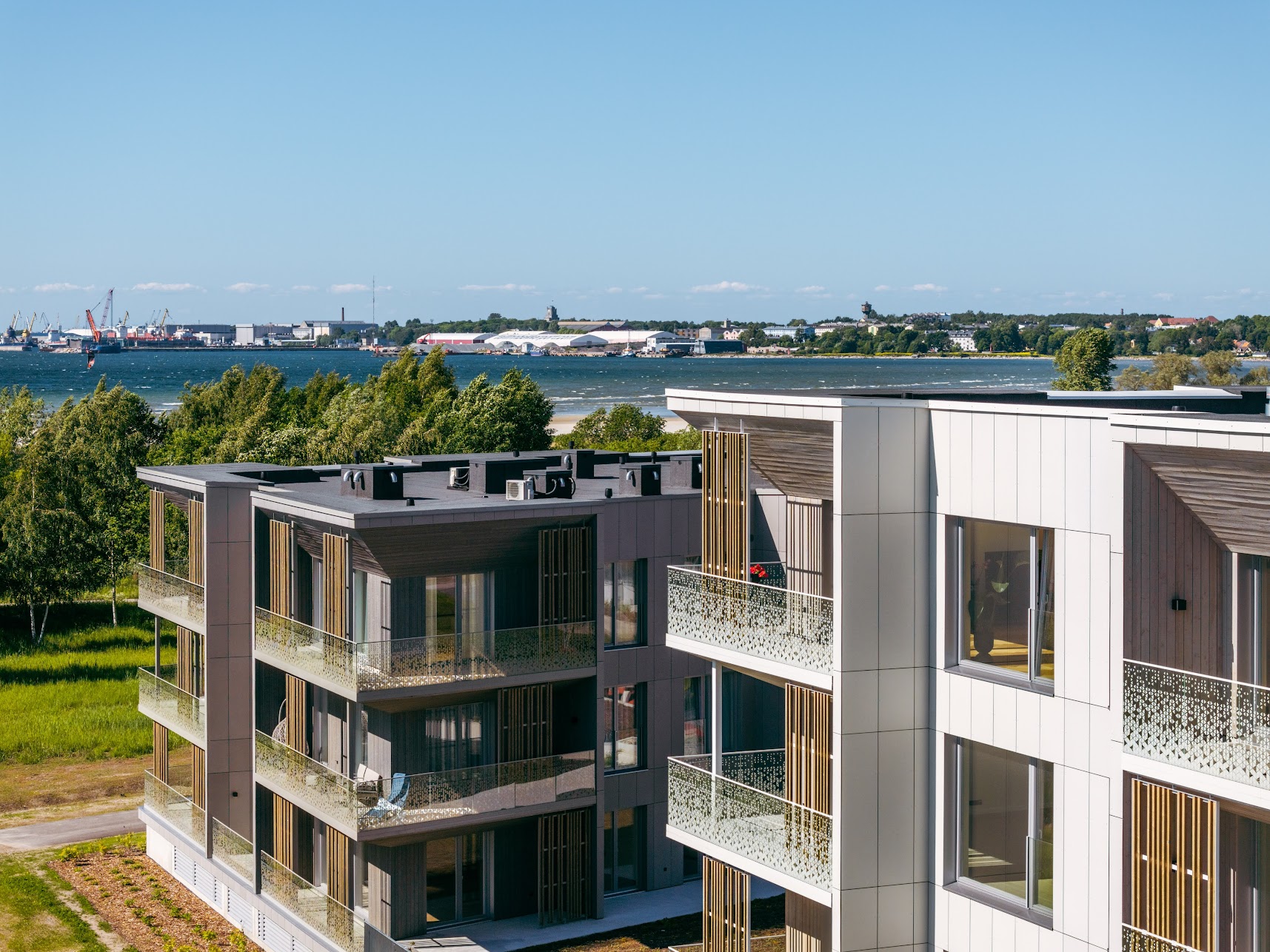
Why are more homebuyers choosing off-plan apartments?
Buying a home is one of the biggest life decisions people make, and many assume they need to walk through a property before committing to a purchase. In reality, however, a growing number of buyers are reserving apartments long before construction is complete. According to Elari Tamm, Sales Director at Arco Vara, buying off-plan has become an increasingly popular choice because it offers something a completed home cannot – the opportunity to shape the future home from the very beginning.
“The biggest advantage of buying off-plan is flexibility,” says Tamm. “During the construction phase, buyers can often customise layouts, finishes and technical solutions to better suit their lifestyle. Once the building is completed, making those changes becomes much more complicated and considerably more expensive.”
That does not mean, however, that a resale apartment is an inferior option. According to Tamm, buyers who need to move in immediately can choose between a resale property and a completed new development. “If time is a priority or someone simply prefers to see the finished product before making a decision, a completed home can offer greater peace of mind,” he explains. Budget also remains an important consideration. “Resale apartments are generally more affordable, and for many buyers, price ultimately determines the choice.”
According to Tamm, new developments and older homes are not always compared on equal terms. Today’s residential buildings are designed to meet A energy class standards, making them significantly more energy-efficient and helping homeowners reduce everyday utility costs. Buyers also tend to underestimate the renovation costs that often come with older properties, whether that involves replacing bathrooms, plumbing or electrical systems. “With a new development, homeowners can usually enjoy several years without major renovation work, while also benefiting from the developer’s construction warranty,” he adds.
In recent years, Arco Vara has seen growing demand from buyers who want to reserve their homes already during the design stage. The earlier they join the process, the greater their opportunity to personalise the home and secure their preferred apartment within the building.
“The most common requests involve electrical planning, such as adding power outlets or changing lighting locations,” says Tamm. “But we also see more substantial changes. Some buyers replace a walk-in wardrobe with a home office, while others convert the planned sauna into additional storage space.”
Some requests require careful planning from the very beginning. In one development, for example, a client wanted to install a hot tub on the rooftop terrace. “To make that possible, we had to incorporate water supply, drainage and electrical connections already during construction. Retrofitting those systems later would have required demolition work and significantly higher costs.” According to Tamm, this reflects a broader shift in buyer behaviour. People are increasingly thinking not only about how their home looks today, but also about how it will function for many years to come.
Today’s buyers also pay much closer attention to what surrounds their future home. Landscaping, playgrounds, well-lit courtyards and pedestrian and cycling paths have become expected features rather than added bonuses. Easy access to walking trails, particularly for pet owners, and outdoor fitness facilities also play an increasingly important role.
At the same time, buyers have become much more informed than they were just a few years ago. They compare construction materials, examine finishing quality, calculate operating costs and evaluate long-term value before making a decision. “People want a home that reflects their own lifestyle,” says Tamm. “A developer can create a strong foundation, but ultimately it’s the people living there who turn it into a home.”
Even with all the analysis and careful comparisons, buying a home remains an emotional decision. “People fall in love with what they see and what they feel,” Tamm concludes. “Once they visit a place, they usually know quite quickly whether they can imagine living there.”