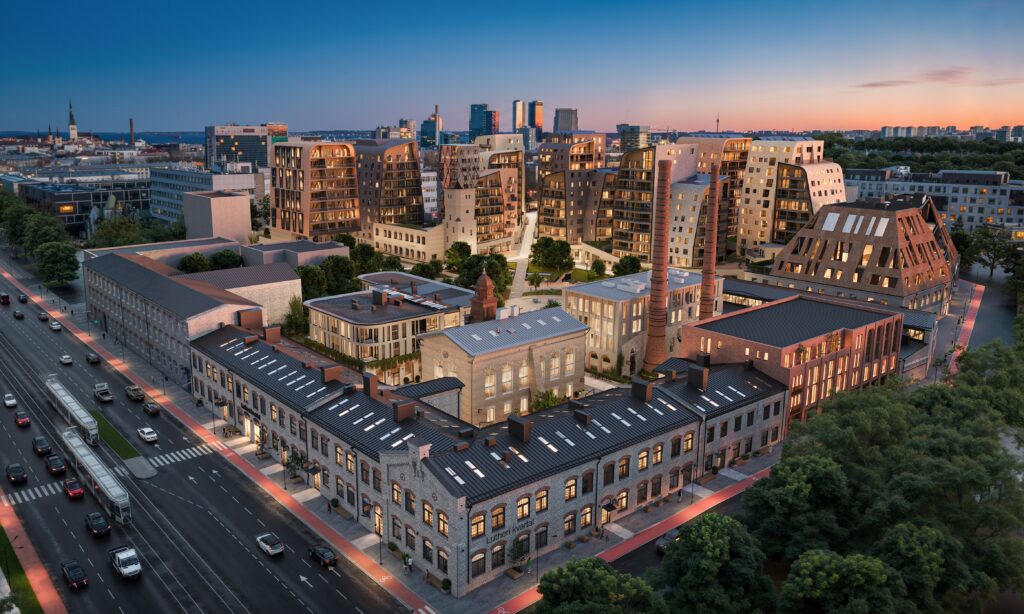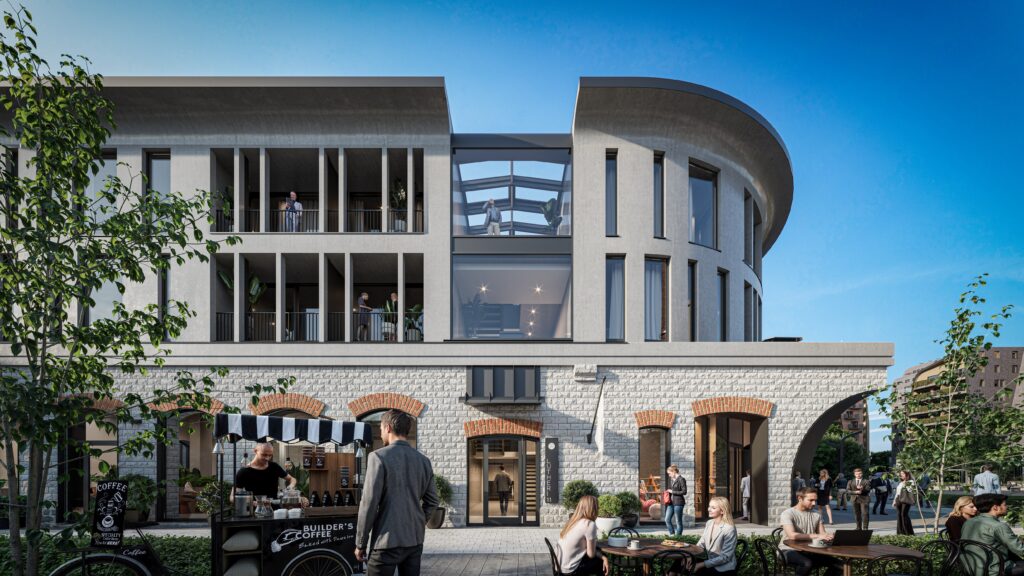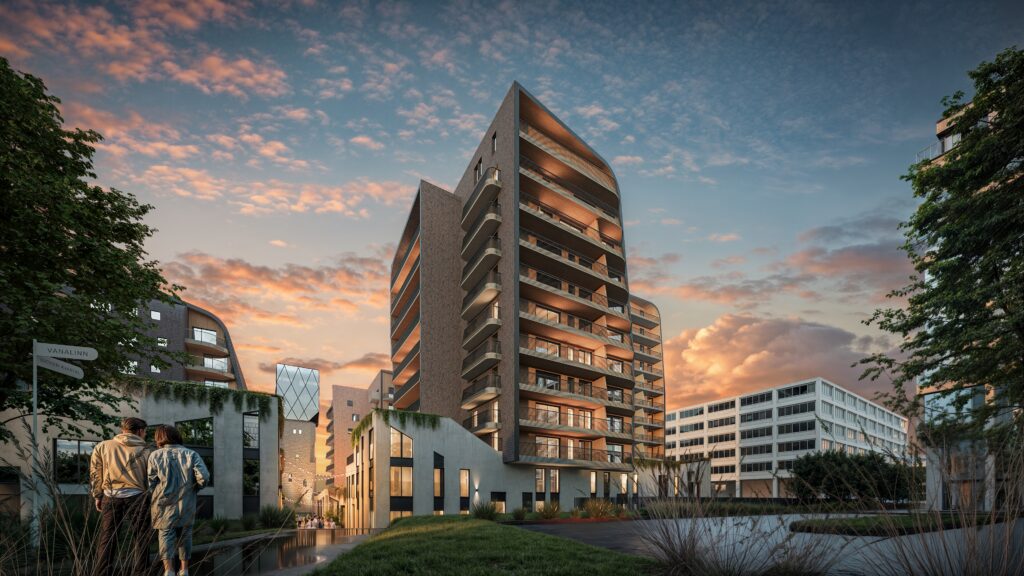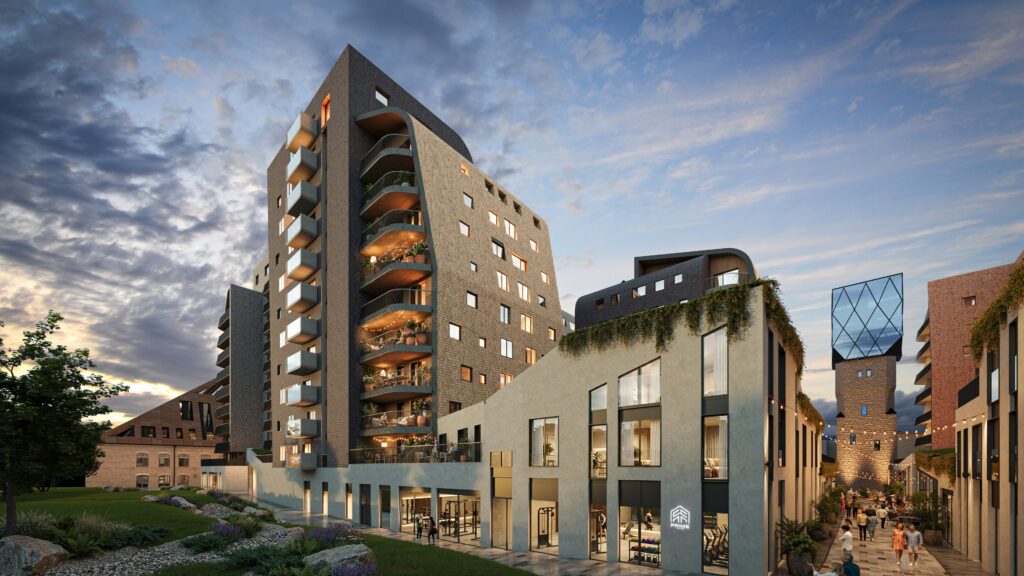
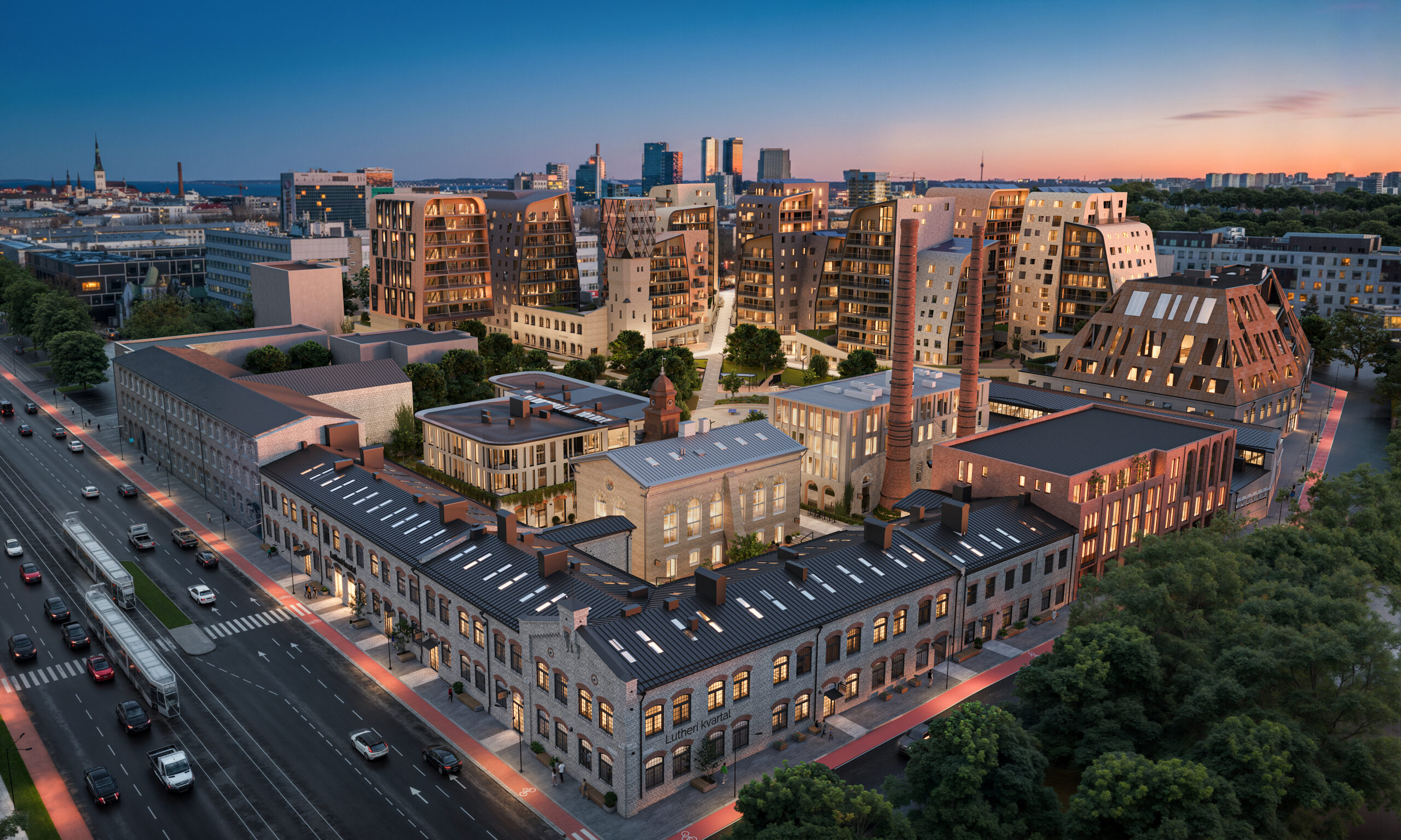
A look at the future Luther Quarter in central Tallinn
A new residential and commercial district is taking shape in the former Luther industrial area in central Tallinn, bringing new life to the area with a green park and public square at its core. According to real estate developer Arco Vara, the project has now entered the preparatory phase, with one of its most complex stages – the construction of underground structures – about to begin.
According to Timo Aarmaa, Development Project Manager at Arco Vara, the Luther Quarter is currently in a phase that focuses on architectural design, interior solutions, and environmental planning. “The Luther Quarter will be a city within a city – a vibrant and integrated environment where people can live, work, and spend their free time, with everything essential close at hand,” he said.
A defining principle of the development is the creation of a human-centred urban space, where pedestrians take priority over vehicles. “To achieve this, all car traffic will be moved underground, ensuring that the quarter remains a safe, calm, and green environment,” Aarmaa explained. As a result, construction will begin with the most time-intensive part of the project – the underground levels.
Two-room apartments draw the most interest
Even before the official launch of sales in spring, interest in the new homes has been strong. Meetings are already taking place with prospective buyers who registered during the pre-sales phase. “As expected, the highest demand is for two-room apartments, but we are also seeing strong interest in larger four-room family homes,” said Aarmaa. There is also notable anticipation for guest apartments, which will be developed in later phases within the restored historic factory buildings.
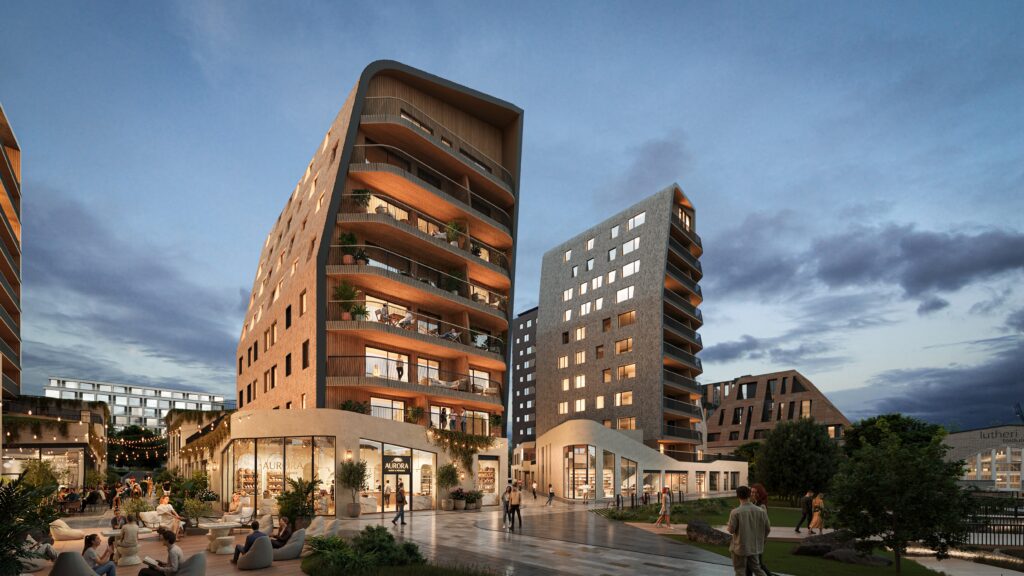
The uniqueness of the Luther Quarter lies in its rich history and distinctive industrial architecture. “Opportunities like this in the city centre are rare. Even the new buildings pay tribute to the area’s past – for example, the shapes of the towers are inspired by the bending of plywood,” Aarmaa noted.
A public square and green park as the district’s main attractions
The development will include 454 apartments and nearly 18,500 square metres of commercial space, complemented by an underground parking facility with 615 spaces.
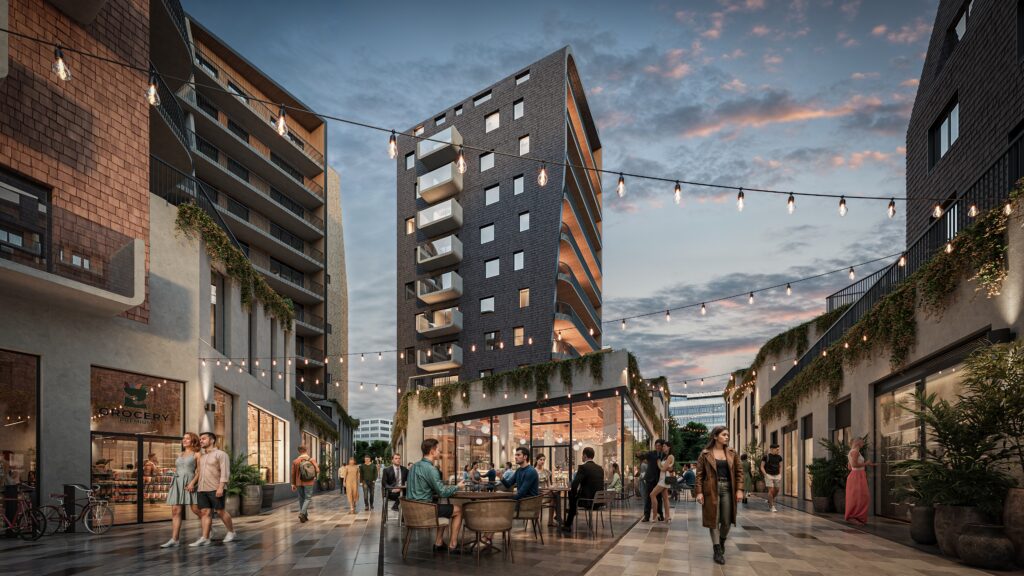
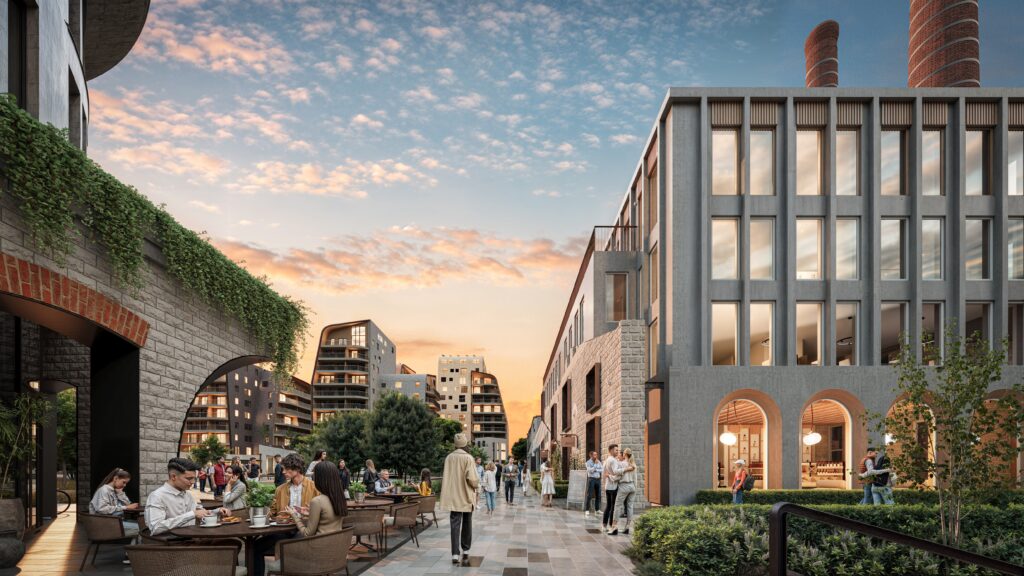
The layout of the quarter has been carefully planned to ensure a lively yet balanced environment throughout the day. Services located beneath residential buildings will primarily operate during daytime hours, while restaurants will be concentrated closer to office spaces. These areas will be linked by a large green park, which, together with the public square, will form the social and functional heart of the quarter. In the future, the square is also expected to host events and community gatherings.
Arco Vara’s vision for commercial spaces is to introduce everyday services that support both residents and the surrounding neighbourhood. “In the first phase, the focus is on essential services – a high-quality grocery store, a café, and a premium barbershop,” Aarmaa explained. Later phases will bring a unique food street, as well as restaurants, a bookstore, and a jazz club.
The first new buildings are expected to be completed in approximately three years. “According to current plans, the first three towers – two 12-storey buildings and one 8-storey building – will be completed in 2029,” Aarmaa confirmed.
Designed to meet expectations even 30 years from now
Looking further ahead, Aarmaa emphasised that one of the key challenges of such a large-scale, multi-phase development is ensuring its long-term relevance. “To make sure the area functions well decades from now, we are already thinking today about what kind of concept, movement logic, and architectural solutions will meet people’s expectations in 10, 20, or even 30 years,” he said.
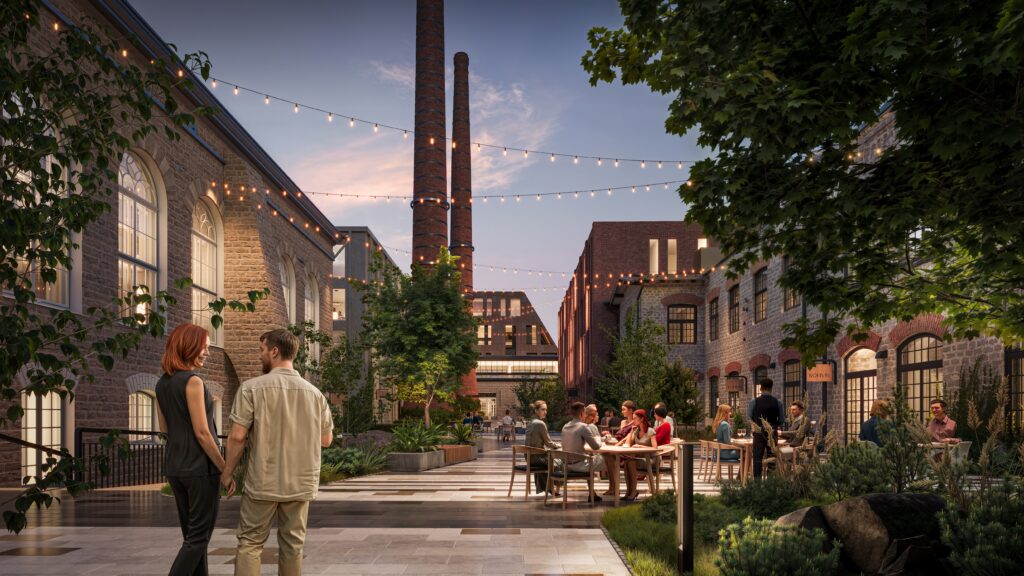
An equally important aspect is the careful restoration of the historic buildings, which are under heritage protection. While this process is both time- and resource-intensive, it adds lasting value and character to the development. “The industrial heritage of Luther will be carefully preserved – limestone walls, high ceilings, and distinctive industrial-style windows will all contribute to the unique identity of the quarter,” Aarmaa added.
Once completed, the Luther Quarter is expected to become one of the key new destinations in central Tallinn, bringing together historical industrial heritage and contemporary architecture into a cohesive and open urban space. “This is not just another real estate development – it is a comprehensive residential and business district that will bring real value and a more human-centred urban environment to Tallinn,” Aarmaa concluded.